An Easy Beginner’s Guide to Making Money Blogging
Starting a blog is one of the best ways of making money online. I have been blogging for a few years and making good money. Though it takes some time to build traffic, it is not that hard. You can earn a couple thousand from blog posts through consistent effort and picking the best niche. No matter how experienced you are, you can start blogging and establish yourself as a credible expert in your field over time.
After establishing yourself as an expert, not only working on your site, you could also be hired easily by bigger companies through Freelancing Platforms to write articles on their behalf.
What is a Blog?
A blog is a website or online platform where people can publish their written content or articles. These posts may be in the form of articles, essays, stories, etc. Blogs discuss a wide range of subjects like news, politics, business, finance, etc. Blog posts can be monetized, it is a lucrative business to earn money.
Can I Start Blogging Without Technical Experience?
Yes, you can start blogging even if you don’t have enough knowledge about web hosting, domains, and so on. In this article, I have guided you step by step to start your blogging journey.
Is It Too Late To Start a Blog?
It’s never too late to start a blog. All you need is consistent efforts, research skills, and passion. You should pick a profitable niche and start writing articles.
You Can Start a profitable blog in 2023 By Following These 6 Steps:
1. Name Your Blog Based On The Niche You Want To Write On:
The name of our blog is what viewers will see first (like yourblog.com), so ideally it should illustrate either the broad topics you’ll be blogging about—or it may be your name, the name of your business, or something you prefer.
Finding a certain topic or area of interest that you are informed about and enthusiastic about writing is necessary when selecting a niche for your blog. It’s crucial to pick a niche that appeals to you on a deep level, has a clear audience, and has room for expansion.
2. Do The Research And Find Your Competitors
After deciding the niche that you’re going to write on, do some competitive research to find out how your competitors are doing. It helps you to create content that is better than what’s already available out there. Also, it helps you to find out how many audiences are there in your niche of choice.
3. Get Your Blog Online (Web hosting)
An important part of starting a blog is making your blog online. A Web Hosting company does this for you. Personally, I use a WordPress blog, hosted by Bluehost.
Click Here To Head Over To Bluehost and hit the green “Get Started Now” button
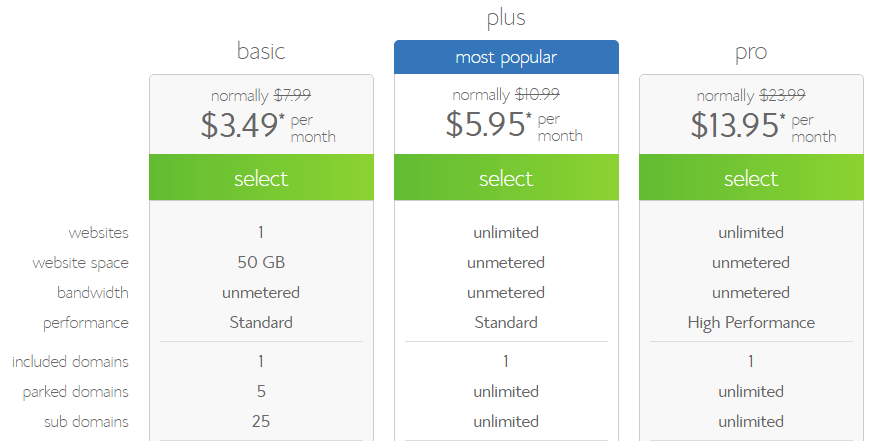
4. Pick Your Preferred Web Hosting Plan
You’ll need to choose your web hosting plan. I recommend you use the Choice Plus plan as it comes with privacy protection.
I have curated a list of 6 Best Web Hosting Providers for your blog if you’d like to check it out.
Choosing your web hosting plan appears like this:
5. Pick a Domain Name Relevant To Your Blog Niche:
Now you need a choose a domain name that best suits your blog niche.
For this, I have curated a list of the Best Domain Name Registrars for buying domain names if you’d like to check out.
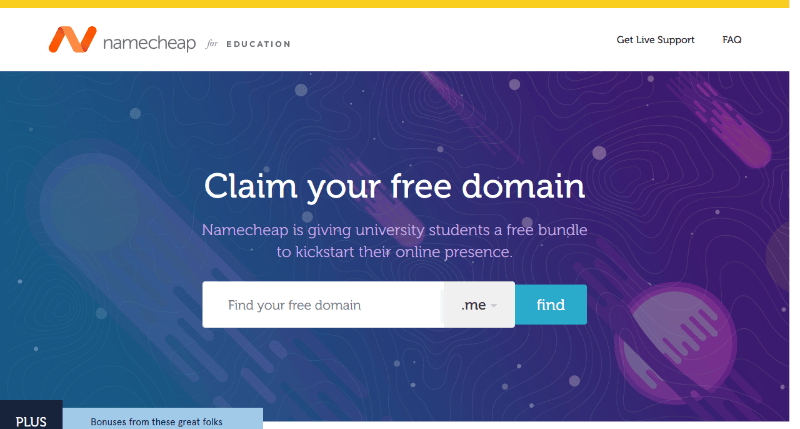
Once you reach this step just type the name that will would like to have in your blog (mine is simpleincome.net)
Check Here to see whether your domain name is available or not.
After either choosing your domain name or selecting to do it later you’ll reach the final step in the sign-up process.
6. Creating Your Bluehost Account For Web Hosting:
You need to fill in your account details like name, email address (you will be sent your login credential in your email address), and home address. If you don’t want to enter your information manually you can just connect your Bluehost account with your Google account.
7. Select The Right Hosting Package Information:
In this section, you have to choose the plan that seems affordable or convenient to you for your blog hosting.
Note that Bluehost does not provide a monthly payment plan (This is because most of the web hosting companies charge a bit more on their monthly package). At the end of the day, you are getting a great deal for whichever plan you choose.
Right Web Hosting Plan and Pricing (My Recommendation):
I’ve been blogging for a few years with Bluehost and I personally recommend “Prime 36 Months Price if you want to guarantee the best deal on your new hosting package. That is what I employ. Additionally, it guarantees your blog hosting at the lowest price for the following three years (and grants you domain privacy). And if you pick the 1-year plan, your cost can increase after that first year because the cheap rate for new clients only applies to the first payment you make.
Because of this, if you select the 36-month plan, your pricing will be fixed at this level for three years. Because of this, I advise choosing the longest-length plan that your budget will allow.
8. Enter Your Billing Information:
The next step is to enter your billing information, confirm your agreement to Bluehost’s terms of service by checking the box, and then click the green “Submit” button.
You’ve now successfully finished the first significant stage of creating a blog.
It’s time to move on to the next step of having your blog properly built and optimized now that the initial signup procedure is complete.
You’ll find detailed instructions for installing WordPress on your blog using Bluehost on the next page. Later on in this article, you’ll find a ton of useful advice for optimizing your blog as well as inexpensive and free plugins you can use to make it look fantastic.
How Long Should a Blog Post Be?
Each blog article should be between 2000 and 2500 words in length to be best optimized for SEO and rank well organically. This length of a blog post gives you plenty of room to incorporate relevant keywords and different subsections that will improve your post’s ranking and draw in more readers. However, the blog article will still rank in search engines as long as it has at least 300 words.
After setting up your blog site, you need to conduct some keyword research before writing your blog post. This helps you to find terms that have low competition and hence increase the chance of ranking higher on Google’s search engine result page.
I’ve written an article on the Top Keyword Research Tools to help you boost your Google rankings. Feel free to check it out!
Can I Use AI Tools For Content Writing?
There are many AI tools available out there for generating content for your blog post. These tools produce engaging professional-grade content for your blog. But you need to modify it to give the human touch and better optimization for SEO.
You can check out the article The Best AI Tools For Content Creation if you are planning to use one of the AI tools to generate content in the future.
Ways of Monetizing Blog Articles:
One of the most popular and efficient ways to share knowledge and voice opinions on a variety of topics is through blogging. You can make money from your blog regardless of how much blogging experience you have or how new it is to you. A great way of turning your passion into a successful business is to monetize your blog. This article will go through some of the ways you can earn money from your blog posts.
1. Affiliate Marketing:
A fantastic approach to monetizing your site is through affiliate marketing. It entails advertising goods and services on your blog in exchange for a commission for each purchase made via your affiliate link. There are other affiliate schemes, including ShareASale, Commission Junction, and Amazon Associates. Pick items or services that relate to the topic of your blog and that your visitors are likely to find interesting.
2. Sponsored Articles:
Another option to make money off your blog is through sponsored content. This entails penning a blog post that advertises a good or service in return for money. Directly approaching sponsors is an option, as is joining a marketplace for sponsored posts like IZEA, BlogHer, or Cooperatize.
3. Display Advertising:
Placing Advertisements On Your Blog is called display advertising. The most popular form of display advertising is the banner, which can be positioned in your blog’s sidebar, at the top, or at the bottom. You can register with a network of advertising companies, such as Google AdSense, Media.net, or Ezoic, that will put ads on your blog and pay you based on clicks or impressions.
4. Offer Digital Products for Sale:
If you are an expert in a certain field, you can offer digital products for sale on your blog. These might be printable materials, eBooks, or even courses. Because they are simple to make and sell, digital items have the benefit of being a passive source of income.
5. Provide Services:
You can provide services on your blog if you have a skill or service to offer, such as writing, social media management, or web design. This might be a fantastic method to monetize your blog and develop your brand and portfolio.
6. Introduce Memberships:
You can charge for memberships or subscriptions if you have a dedicated readership on your site. Access to premium goods, services, or content can be part of this. To create a membership program, you can utilize a platform like Patreon, Memberful, or WordPress Plugins.
Conclusion:
In conclusion, making money from your blog posts might be an excellent approach to turning your hobby into a profitable business. Your blog entries can be lucrative in a variety of ways, including display advertising, sponsored posts, affiliate marketing, and the sale of digital goods. Select the strategies that are most effective for your niche and your audience while experimenting to determine what works best for you.